Since 1988
Export
170
+
Exporting countries
Strength
3420
K
Square Meter Factory
Team
1000
R&D engineers team
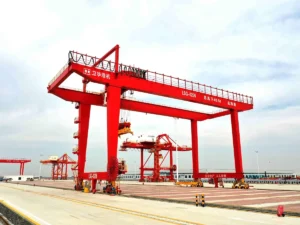
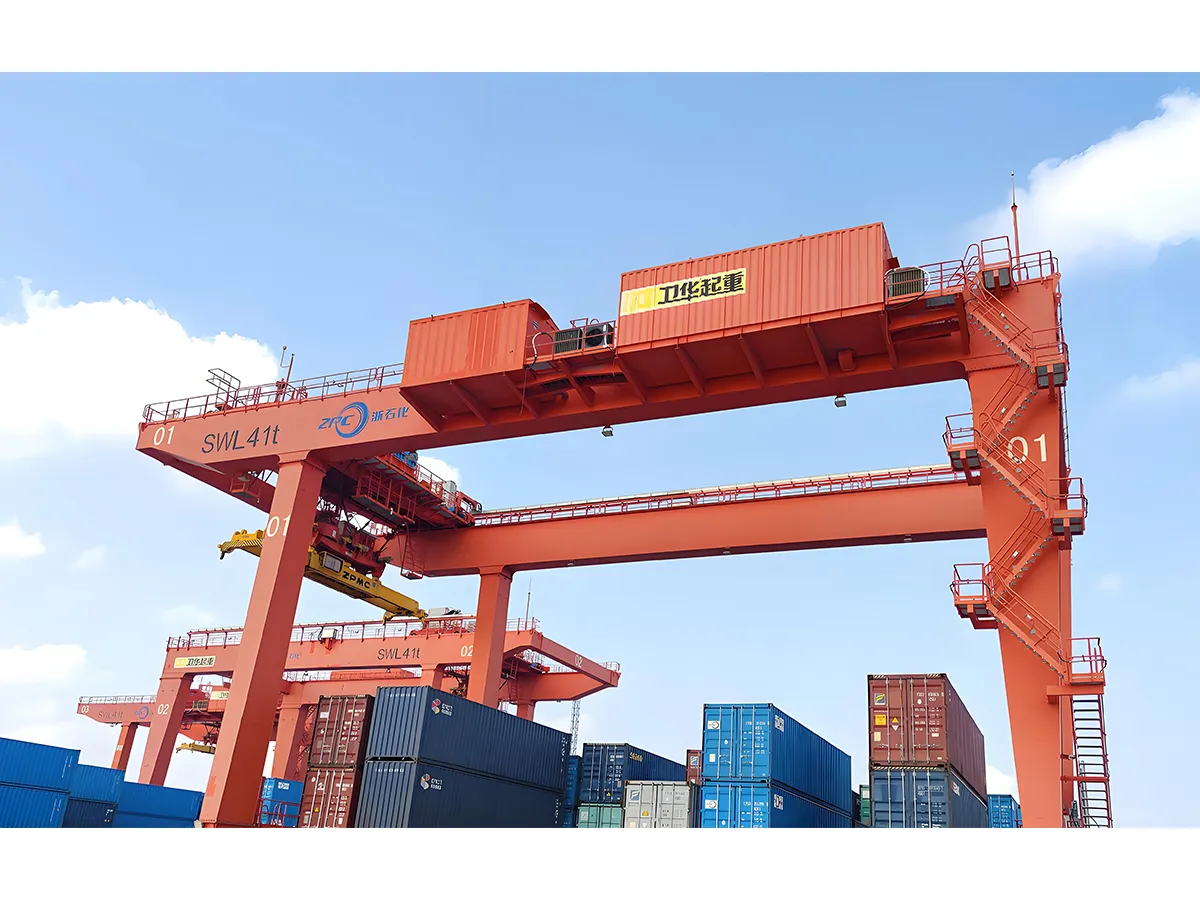
When a terminal planner asks “which is better — a Straddle Carrier or an RTG Crane?”, the honest answer is that the question itself is framed incorrectly. Neither system is universally superior. Each is engineered around a specific set of operational priorities, and deploying the wrong one creates a structural mismatch that compounds over the 15–20 year lifecycle of the equipment. The real question is more precise: does your terminal need to move containers quickly across a flexible yard, or does it need to store the maximum number of containers within a constrained footprint? The answer to that question — shaped by annual throughput, available land area, automation strategy, and infrastructure budget — determines which system belongs in your yard. This guide compares straddle carriers and RTG cranes across the dimensions that matter most to procurement teams and terminal planners: operational mechanics, yard density, total cost of ownership, automation readiness, and certification requirements. Quick Reference: Straddle Carrier vs RTG Crane at a Glance Decision Factor Straddle Carrier RTG Crane Primary function Lift + transport + stack (single unit) Stack only…
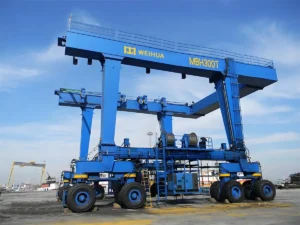
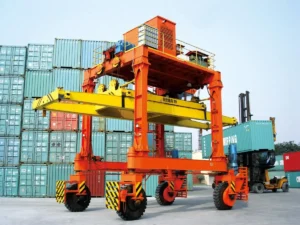
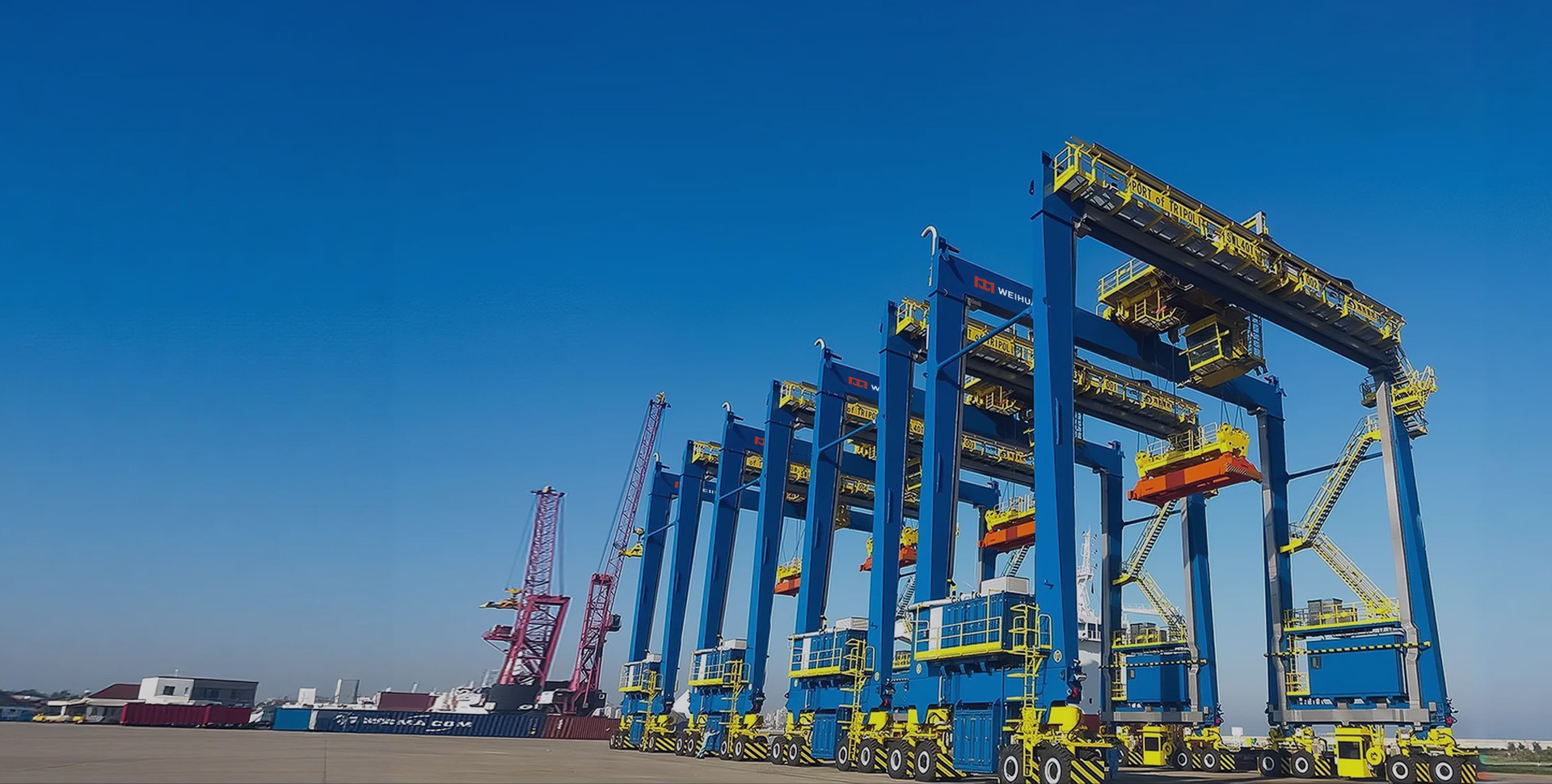
Equipment procurement teams at container terminals and industrial yards frequently encounter the same problem: a straddle carrier arrives on site, passes the rated capacity check on paper, and then fails to operate efficiently because the yard surface cannot support the ground pressure, the aisle width is 1.5 metres too narrow for the turning radius, or the power system is incompatible with the local grid infrastructure. Rated lifting capacity is the first figure buyers examine, but in most procurement errors, it is not the figure that causes the problem. This guide covers the seven specifications that determine whether a straddle carrier will actually perform as required in your facility — not just on a specification sheet. Each specification includes the technical rationale, the typical value range for reference, and the verification action buyers should complete before submitting a purchase order. Specification Summary Table Specification Typical Reference Range Common Oversight 1 Lifting capacity (gross load) 30–66 t (port); up to 100 t+ (industrial) Rigging weight not included in load calculation 2 Stacking configuration 1-over-2 or 1-over-3 (3 or 4 high) Ground bearing…